
2010 - English - Technique
Participation with a punch: Community referend…
Acknowledging the cultural, social, and environmental impacts of resource developments such as hydro-electric dams, the rights of Indigenous people to Free, Prior, Informed Consent (FPIC), are necessary to protect their lands. The article introduces the community referenda, as a consultation strategy used in areas impacted by development projects,…

2010 - English - Technique
UN Declaration on the Rights of Indigenous Peo…
This article highlights the significance of UNDRIP in achieving reconciliation with Indigenous peoples in Canada. A central conclusion of this article is that the positions and practices of the Canadian government are incompatible with constitutional and international obligations. Related to FPIC, the authors suggest that the government of Canada …

2009 - English - Practical
Making the Declaration Work: The United Nation…
The UN Declaration on the Rights of Indigenous Peoples (UNDRIP), adopted by the UN General Assembly (UNGA) in September 2007, was developed in partnership with Indigenous peoples and is the most comprehensive international instrument dealing with their rights. This book tells the story of how UNDRIP was developed and adopted by UNGA, including its…

2015 - English - Academic
Growing Deep roots: Increasing Aboriginal Auth…
Governance in forestry is beginning to include more actors in decision-making processes. This article explores the role of Aboriginal peoples in governing the Canadian forest sector. In a case study of Essipit Innu First Nation in Quebec (Canada) the Essipit community effectively co-governed forest management decisions with a forestry company at t…

2010 - English - Technique
Increasing the Sustainability of a Resource De…
This article discusses Aboriginal peoples engagement in Negotiated Agreements (IBAs) and Environmental Impact Assessments as a way in which to produce more sustainable development projects. The author suggests that by negotiating with businesses directly, Aboriginal peoples are able to get around the limitations of government legislation and ensur…
2010 - English - Technique
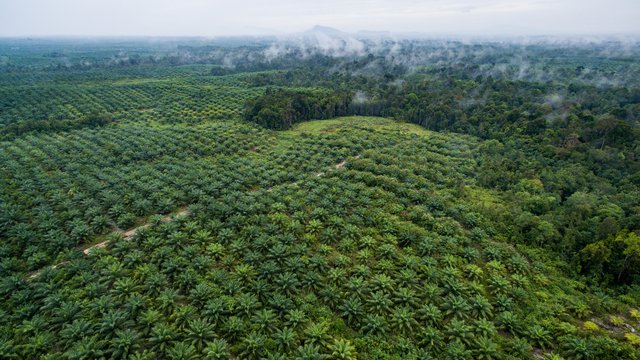
The Livelihood Impacts of Oil Palm: Smallholde…
This article explores the expanding oil palm industry in Indonesia, in order to document the livelihood impacts of resource development among smallhold farmers. They found that oil palm development resulted in economic benefits for local communities, but resulted in conflict between farmers and industry due to lack of Free, Prior, Informed Consent…