
2014 - English - Academic
Applying a UNDRIP Lens to the CBD: A More Comp…
The UN Declaration on the Rights of Indigenous peoples (UNDRIP) is used as a tool to analyse the Convention on Biological Diversity (CBD). This analysis shows that on projects that implement State-to-community benefit sharing, CBD should consider the rights of Indigenous peoples stated under UNDRIP. UNDRIP only offers a partial response to the cha…

2015 - English - Technique
Evaluating the Science of Environmental Assess…
This book chapter, examines Environmental-Impact Assessments (EIA) from the perspective of Indigenous peoples in Canada, in order to determine ways they can be carried out that are culturally appropriate. The First Nations Independent Technical Review (FNITR) Process is discussed as a method of EIA that is accessible to Indigenous people. The arti…

2004 - English - Practical
Strategic Environmental Assessment in Action
This book explains strategic environmental assessment (SEA) as a method of taking into consideration environmental and sustainability issues when making decisions with respect to a project. Although dated, this book shows important processes involved in the background and process of conducting SEA.

2011 - English - Practical
Annishinabek Minerals and Mining Community Eng…
The Anishiabek Nation supports and expresses concerns with recent changes to the Ontario Mining Act. Changes did not go for enough in recognizing Indigenous rights to land; free, prior, and informed consent; funding to build capacity; and protection of cultural sites. These engagement sessions allowed voices of Anishinabek to be heard by the Gover…
2014 - English - Simple
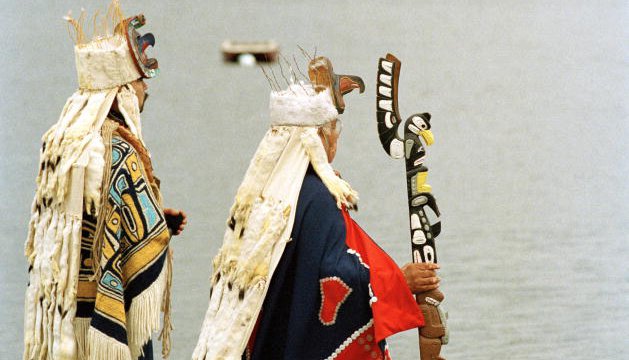
Keynote Rick Hill June 2014
At the Rise of the Fourth World Conference in 2014, Rick Hill presented the history of Indigenous and government negotiations in Canada. Introduction provided by Darren Thomas.

2012 - English - Academic
Free, Prior and Informed Consent in the Afterm…
This paper discusses the international legal standards on Free, Prior and Informed Consent (FPIC) and how human rights bodies have addresses issues of FPIC in practice. The paper also discusses the United Declaration on the Rights of Indigenous Peoples as a key instrument in the practice of FPIC and draws general conclusions for practice.