
2012 - English - Practical
How to Implement free, prior informed FPIC
Negotiating FPIC is a process, consisting of informing affected persons about planned activities and their impacts and verifying that the information provided has been understood, before explicit consent can be negotiated. If people refuse, their decision must be respected. FPIC focuses on harmonising relationships between groups of different powe…

2016 - English - Technical
Understanding FPIC - From assertion and assump…
This report explores the meaning of free, prior, and informed consent (FPIC), and how it interacts with current Canadian law and practice. Several recommendations are provided on how the Trudeau government can fulfill its promise to incorporate FPIC into the existing Canadian system without negatively impacting Indigenous communities or economic d…
2016 - English - Practical
In Conversation: Romeo Saganash
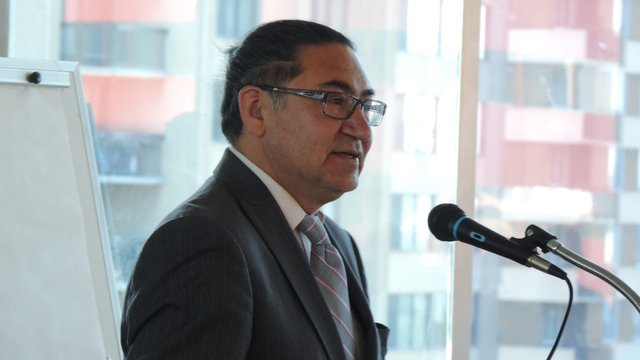
This interview with Romeo Saganash, NDP MP for Abitibi—Baie James—Nunavik—Eeyou, discusses the importance of Free, Prior, and Informed Consent (FPIC) for Indigenous peoples and how it can be applied in Canada. James Bay, in Northern Quebec, is discussed as an example for positive applications of FPIC. A private members’ bill Saganash is proposing …

2016 - English - Academic
The Politics of Indigenous Participation Throu…
This article looks at the challenges of Indigenous community participation as a way of fostering inclusion in decision-making actions. Free, Prior and Informed Consent (FPIC) processes in Bolivia are explored where Indigenous communities are informed and consulted before development projects begin. The article explores tensions in current FPIC pro…

2017 - English - Practical
Lessons from Supreme Court Decisions on Indige…
In July 2017, the Supreme Court of Canada released two major decisions on the Crown’s duty to consult and accommodate Indigenous peoples. Those decisions provide important guidance that can help to ensure Indigenous peoples’ constitutional rights are better recognized and respected moving forward.
2017 - English - Practical
Consultation or consent; What is required befo…
This article touches on Canada's 150th celebration and how it translates into 150 years of colonialism for Aboriginals in Canada.