
2013 - English - Practical
FPIC and the Extractive Industries: A guide to…
This manual discusses the relevance of ensuring Indigenous peoples right to FPIC to the policies and practices of the extractive industry, in addition to the responsibilities of government. The authors introduce the ‘spirit of FPIC’, to describe the key elements that must be included in an Indigenous community consultation framework including equa…

2007 - Multilingual - Practical
Making FPIC - Free, Prior and Informed Consent…
Report developed by Forest Peoples Programme, which summarizes the progress made by Indigenous Peoples’ and organizations seeking to assess and apply the right of indigenous peoples ‘to give or withhold their free, prior and informed consent to actions that affect their lands, territories and natural resources’ (referred to as ‘the right to FPIC’)…

2010 - Multilingual - Practical
Guide to Free Prior and Informed Consent
This guide is an introduction to Free, Prior and Informed Consent (FPIC). It provides basic information about the right to FPIC and how this right can help people to have a say about development projects, such as dams, mines and, logging and other large infrastructure projects, which affect them in some way.

2012 - English - Practical
How to Implement free, prior informed FPIC
Negotiating FPIC is a process, consisting of informing affected persons about planned activities and their impacts and verifying that the information provided has been understood, before explicit consent can be negotiated. If people refuse, their decision must be respected. FPIC focuses on harmonising relationships between groups of different powe…

2016 - English - Practical
Included or Excluded: An Analysis of the Appli…
Focusing on Cameroon, this article examines instances of land grabbing in the country, with a focus on the application of the principle of FPIC. The arguments in the article are inspired by international law in which the application of the principle in the context of land grabbing serves not only to protect the rights and interests of indigenous p…
2016 - English - Practical
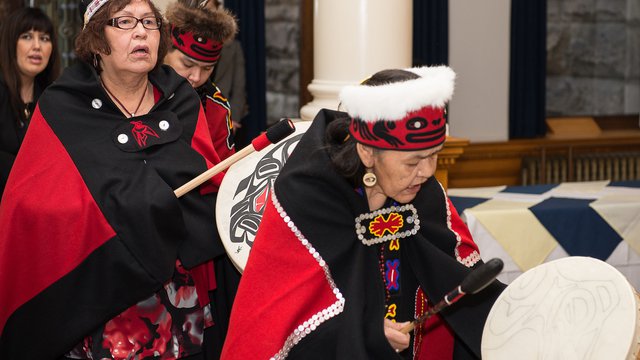
The path to reconciliation starts with consent
This article explains how FPIC is part of reconciliation and advocates for consultation. It also explains that recent focus on reconciliation came from a call-out by the UN in 2005. It mentions why consent is important and presents some barriers in the way of conversation between Indigenous Peoples and the government.