
2015 - English - Academic
Growing Deep roots: Increasing Aboriginal Auth…
Governance in forestry is beginning to include more actors in decision-making processes. This article explores the role of Aboriginal peoples in governing the Canadian forest sector. In a case study of Essipit Innu First Nation in Quebec (Canada) the Essipit community effectively co-governed forest management decisions with a forestry company at t…

2010 - English - Technical
Increasing the Sustainability of a Resource De…
This article discusses Aboriginal peoples engagement in Negotiated Agreements (IBAs) and Environmental Impact Assessments as a way in which to produce more sustainable development projects. The author suggests that by negotiating with businesses directly, Aboriginal peoples are able to get around the limitations of government legislation and ensur…
2010 - English - Technical
The Livelihood Impacts of Oil Palm: Smallholde…
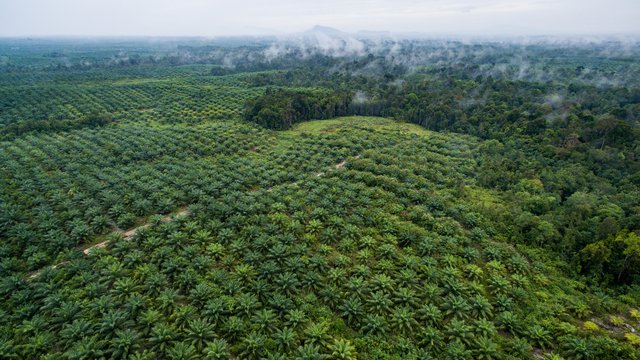
This article explores the expanding oil palm industry in Indonesia, in order to document the livelihood impacts of resource development among smallhold farmers. They found that oil palm development resulted in economic benefits for local communities, but resulted in conflict between farmers and industry due to lack of Free, Prior, Informed Consent…

2012 - English - Technical
Social impact assessment: State of the art
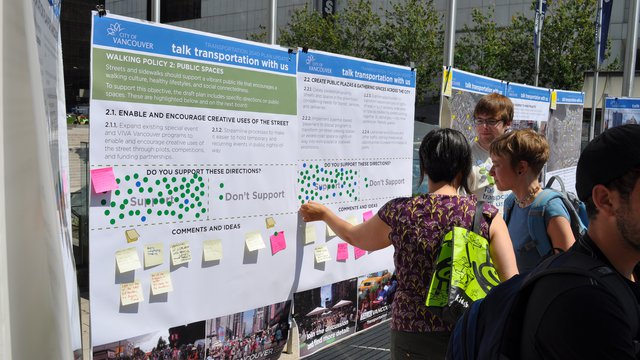
This article explores what is “good” practice in social impact assessment (SIA). SIA addresses social issues in development through participatory processes that support affected peoples, and companies. SIA seeks to increase understanding of and responses to change, and avoid negative impacts while enhancing positive benefits. The author argues tha…
2011 - English - Practical
License to Operate: Indigenous Peoples and Fre…
This report describes the current attitudes towards FPIC among extractive industries, assesses challenges business encounter in implementing FPIC, and outlines the key tools and practices that companies can use to develop relationships with Indigenous peoples and implement FPIC. Consent is framed as an iterative, multi-layered, ongoing process of …

2013 - English - Practical
We Have Rights: A Community Guide for Indigeno…
This Guide focuses on the Asian Development Bank Safeguard Policy Statement of 2009 (ADB 2009 SPS) particularly its safeguard requirements for Indigenous Peoples. In addition, it features the ADB Accountability Mechanism of 2012. It also contains the principles and process of the Free, Prior and Informed Consent (FPIC).