
2011 - English - Practical
The Right to Decide: The Importance of Respect…
This briefing report explains the roles and responsibilities of companies to address human rights impacts of company operations. Indigenous peoples that are potentially affected by industry development have ethical, legal, and financial rights related to industrial development. The report identifies key challenges related to implementing FPIC and …

2014 - English - Simple
Public forum on Internationalization of Indige…
The public forum portion of the Rise of the Fourth World conference in 2014 showcases the former national chief AFN, Ovide Mercredi; Special Rapporteur, Rodolfo Stavenhagen; Peruvian economist and advisor to Andean Coordinator of Indigenous Organizations, Luis Vittor; former president of Sami Parliament in Norway, Sven-Roald Nysto; Professor of Re…

2015 - English - Practical
Mapping Our Lands & Waters, Protecting Our Fut…
This comprehensive report of the global conference on community participatory mapping in Indigenous peoples' territories showcases how to use maps to assert rights to Indigenous lands, territories, and resources. Maps are also presented as a tool for the sustainable management of resources, monitoring, for governance, and as a research methodology.
2016 - English - Practical
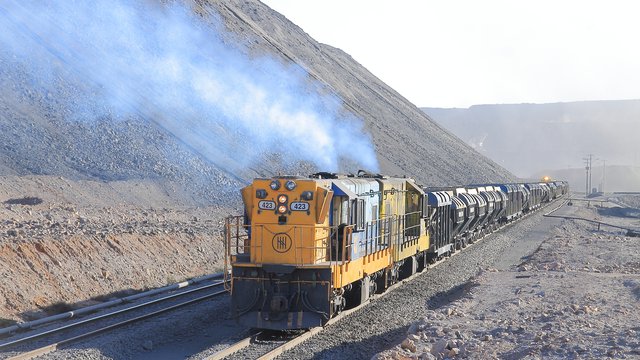
Canadian Mining Projects in the Territory of t…
This report examines the human rights impacts of two mining projects in the territory of the Diaguitas Huasco Altinos Agricultural Community (known in Spanish as the Comunidad Agrícola de Los Diaguitas Huasco Altinos [CADHA]), an indigenous community settled in Huasco Province, in the Atacama region of Chile.

2016 - English - Technical
Who Controls the Territory and the Resources? …
The article scrutinizes the struggles over prior consultation and free, prior and informed consent (FPIC) and analyses the divergent interpretations of what this right would entail in Bolivia. Similar conversations have played an important role in resource conflicts across Latin America.
2016 - English - Practical
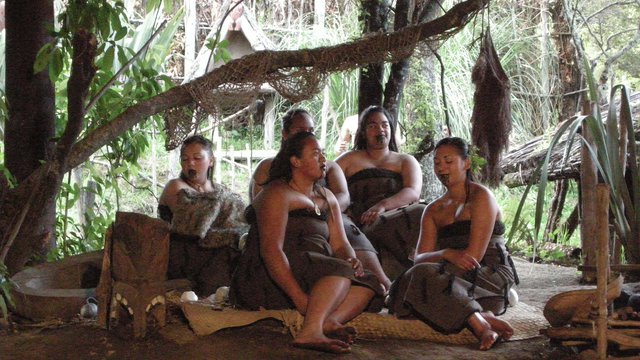
Negotiating "Meaningful Participation" for Ind…
This paper aims to explore the importance of meaningful participation for Indigenous peoples within the complex and highly political context of mining and mineral extraction. The aim is to consider the multi-dimensional nature of the mining context that takes into account the discursive landscape that frames the often disparate perspectives of cor…