
2016 - English - Practical
Northern Public Affairs - The Right to Free, P…
This magazine issue is a compilation of the voices of Indigenous Peoples in Canada through a collection of informative articles as well as poetry and art. The focus of this issue is on Free, Prior and Informed Consent (FPIC) as told and understood by various Indigenous individuals. It is a fantastic resource that gives many examples of why FPIC is…

2016 - English - Academic
Letter from the editors: Moving Forward with t…
This is the letter from the editors, of Northern Public Affairs special issue about Free, Prior, and Informed Consent (FPIC). It introduces why FPIC is necessary and the need for a formal process for moving forward with FPIC in Canada. The legal basis for FPIC in International law, the use of FPIC in national law and policy, and the potential for …
2016 - English - Practical
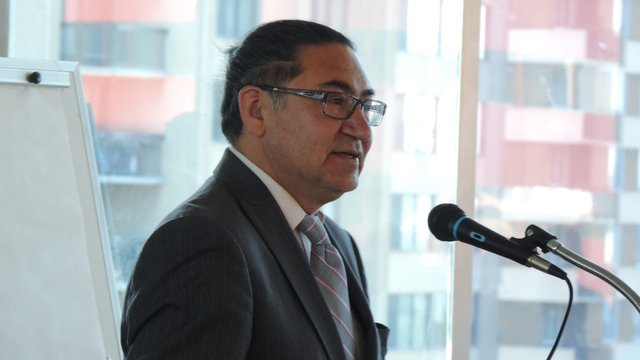
In Conversation: Romeo Saganash
This interview with Romeo Saganash, NDP MP for Abitibi—Baie James—Nunavik—Eeyou, discusses the importance of Free, Prior, and Informed Consent (FPIC) for Indigenous peoples and how it can be applied in Canada. James Bay, in Northern Quebec, is discussed as an example for positive applications of FPIC. A private members’ bill Saganash is proposing …

2016 - English - Practical
Title is with me
This article is based on two presentations at the Free, Prior and Informed Consent Forum of 2015, by Chief Roger William. These presentations were made following the legal process that began in 1998 which resulted in the 2014 declaration by the Supreme Court of Canada recognizing Tsilhqot’in title. He suggests that in recognizing the land title of…

2017 - English - Practical
Indigenous Consent and Natural Resource Extrac…
Controversy over the interpretation of FPIC as a "veto" is a major roadblock to Canada's implementation of UNDRIP.

2017 - English - Practical
Lessons from Supreme Court Decisions on Indige…
In July 2017, the Supreme Court of Canada released two major decisions on the Crown’s duty to consult and accommodate Indigenous peoples. Those decisions provide important guidance that can help to ensure Indigenous peoples’ constitutional rights are better recognized and respected moving forward.