2016 - English - Practical
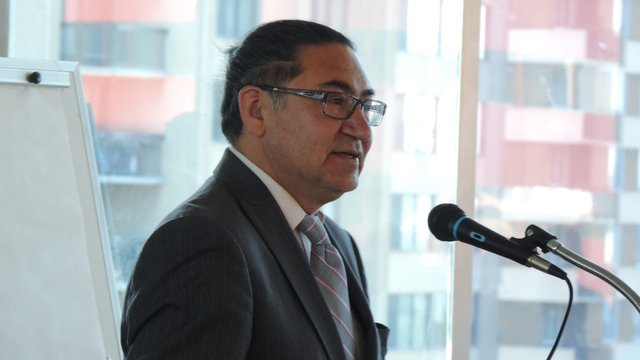
In Conversation: Romeo Saganash
This interview with Romeo Saganash, NDP MP for Abitibi—Baie James—Nunavik—Eeyou, discusses the importance of Free, Prior, and Informed Consent (FPIC) for Indigenous peoples and how it can be applied in Canada. James Bay, in Northern Quebec, is discussed as an example for positive applications of FPIC. A private members’ bill Saganash is proposing …

2017 - English - Practical
Venezuela's Deepening Logic of Extraction
This article looks at the mining industry in Venezuela including the illegal mining activities and the government's lack of monitoring.

2014 - English - Practical
Costs of Company-Community Conflict in the Ext…
Stakeholder-related risks in the extractive sector have risen rapidly over the last two decades. Time and time again, companies have experienced how negative environmental impacts – can generate significant negative social impacts as well, for example on local community health and livelihoods.
2015 - English - Practical
IBA Community Toolkit: Negotiation and impleme…
This toolkit for negotiations to develop IBAs focuses primarily on the mining industry in Canada, Latin America, and Australia. However, the knowledge gained can be applied to other industries and regions. It is meant to be a resource for Aboriginal groups negotiating with industry and government.

2013 - English - Practical
A training manual on advocacy, lobbying and ne…
This report presents the definition and scope of advocacy and lobbying and why UNDRIP is important for these actions. Ways that Indigenous Peoples can engage in decision-making processes, what information is needed to make decisions related to climate change, and skills to plan advocacy campaigns are presented.

2013 - English - Academic
Report of the Special Rapporteur on the rights…
This is the final thematic report of James Anaya, the Special Rapporteur it addresses human rights concerns of indigenous peoples relating to extractive industries. The report advances understanding of content and implications of international human rights standards relevant to these concerns.